
Andris Kalniņš
Coastal heritage tourism and senior-friendly recreational pathways across Latvia's maritime regions
Dcdetectives SIA
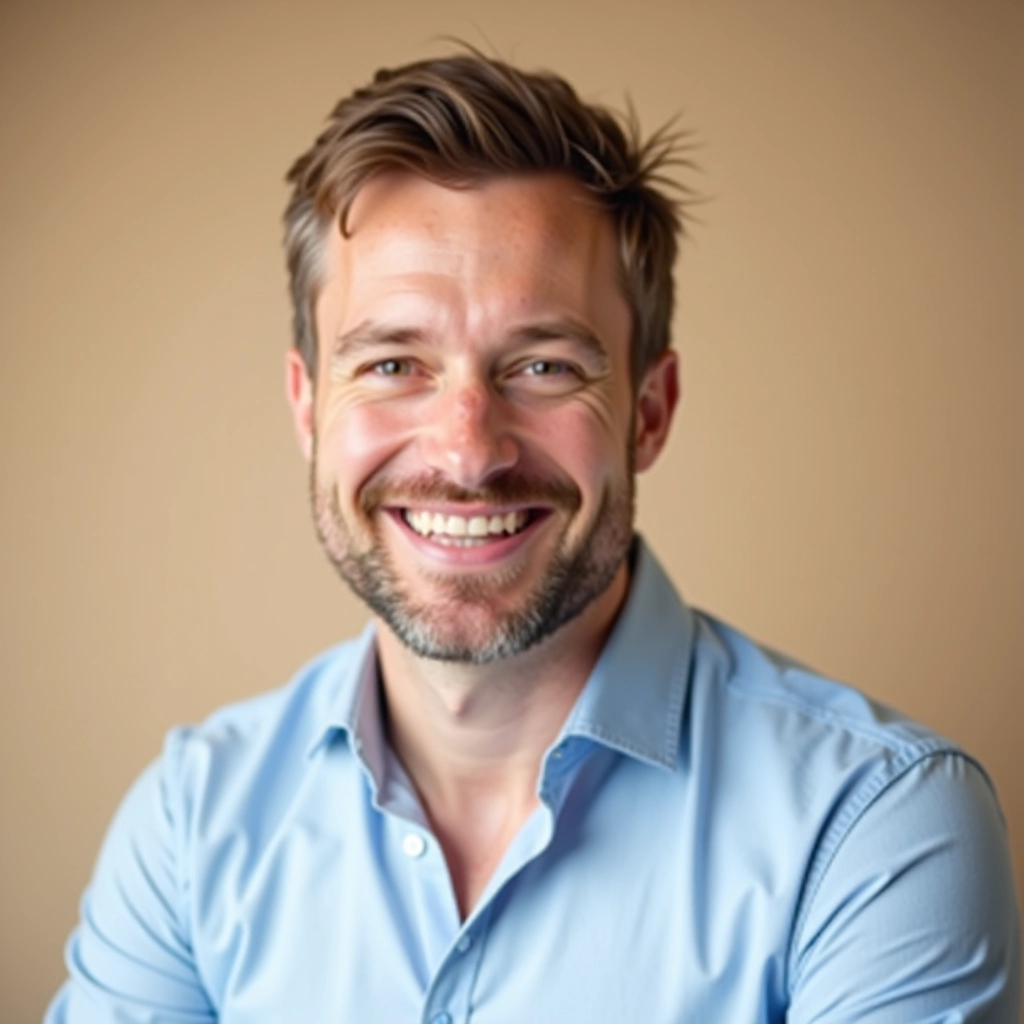
About Andris
With 16 years in coastal tourism development and senior wellness, Andris brings genuine expertise to accessible recreation.
Andris discovered his passion for coastal conservation while working as a regional development officer for Kurzeme District Municipality from 2008 to 2014. That's when something clicked — he realized Latvia's most beautiful coastal areas weren't accessible to older adults and people with mobility limitations. So he decided to change that.
His pivotal moment came when he documented the ecological and recreational value of the Jūrkalne bluff system. The work was thorough, detailed, and it mattered. That documentation led to the bluff's inclusion in Latvia's protected natural heritage registry. But more importantly, it sparked a commitment that's driven his career ever since — making sure pensioners and accessibility-limited visitors could experience these places too.
Over the past eight years at dcdetectives SIA, he's authored over 120 articles on coastal wellness tourism, conducted accessibility audits of regional footpaths, and worked directly with the Latvian Tourism Development Agency on senior recreation standards. He's not just writing about trails. He's walking them, measuring accessibility, talking to pensioners about what actually works, and building real solutions.
His approach combines rigorous on-site research, deep understanding of the Užava-Jūrkalne coastal zone's geomorphology, and genuine empathy for creating meaningful restoration experiences in nature. That combination is rare. And it's exactly what makes his work valuable.
Years in coastal tourism
Articles published
Years at dcdetectives
Trail accessibility audits
What Andris Knows
Direct insights into coastal wellness, accessibility, and what makes trails work for older adults
Why focus specifically on senior-friendly coastal trails?
Because older adults are often left out of the conversation. Tourism development usually targets young families or adventure seekers. But pensioners want meaningful experiences too — they're not looking for extreme activities. They want to walk at their own pace, rest when needed, and actually enjoy the view. Jūrkalne and the Užava lighthouse area are stunning places. Every person should be able to experience them, regardless of age or mobility.
What makes a trail truly accessible?
It's not just about smooth pavement. Accessibility means well-placed rest benches — every 400 meters or so. It means gentle grades, not steep climbs. Good drainage so you're not walking on muddy ground in winter. Clear signage that's actually readable. And honestly, it means thinking about what an 70-year-old with arthritis needs versus what a 30-year-old adventurer needs. They're completely different. I've audited trails where the signage was beautiful but impossible to read from 3 meters away. That's not accessible.
What's unique about the Jūrkalne bluff system?
The Jūrkalne bluff is geologically significant — it's one of Latvia's most important coastal formations. But what matters to visitors is that it's stunning. You're walking along a bluff edge with sea views, dune grass moving in the wind, and a real sense of being somewhere special. The challenge is managing access so you protect the geology while letting people experience it. That's where accessibility planning becomes conservation planning. You design trails that distribute foot traffic properly, protect vulnerable areas, and still give everyone access.
How does the Užava lighthouse area fit into coastal wellness?
The lighthouse is an anchor point — it's historically important and visually memorable. But the real value is the area around it. There's a peaceful approach path, views of the coast, and a sense of quietness that you don't get in busier areas. Pensioners tell me they come to places like this to think, to slow down, to remember. The lighthouse itself is the destination, but the walk there is the therapy. We've added rest areas along the approach, improved drainage, and clarified the route. Small changes. Big impact on whether someone actually enjoys the experience or just tolerates it.
What role does research play in your work?
Research isn't theoretical for me. I'm out on the trails regularly — not just once a year, but seasonally. I'm measuring distances, timing walks, checking conditions. I talk to the people using these paths. What they say is different from what planners assume. Someone might tell me a bench is in the wrong spot, or the incline on a particular section is tougher than it looks. That feedback becomes actionable data. It's rigorous work, but it has to be. We're making recommendations that affect real people's experiences.
Background & Qualifications
Education, certifications, and professional milestones
Education
- Master's in Environmental Management, University of Latvia
- Bachelor's in Geography & Regional Development, University of Latvia
- Certificate in Accessible Tourism Standards, Nordic Tourism Academy
Professional Experience
- Senior Tourism & Wellness Specialist, dcdetectives SIA (2016–present)
- Regional Development Officer, Kurzeme District Municipality (2008–2014)
- Tourism Research Coordinator, Latvian Tourism Development Agency (2014–2016)
Recognition
- Latvian Tourism Excellence Award — Accessible Tourism Initiative (2021)
- Featured Expert, Baltic Region Sustainable Tourism Network (2019–present)
- Author, "Coastal Trails for Older Adults" — Tourism Research Quarterly (2020)
Key Projects
- Jūrkalne Bluff Heritage Trail Accessibility Plan (2019)
- Užava Lighthouse Approach Path Redesign (2021)
- Senior Recreation Standards for Kurzeme Coastal Region (2022–2023)
The Andris Approach
How he thinks about accessibility, conservation, and meaningful travel experiences
Accessibility Isn't Charity
It's good planning. When you design a trail that works for someone with limited mobility, you're making it better for everyone. Parents with strollers appreciate flat grades. Families with young kids benefit from rest benches. People recovering from injury need clear, gentle paths. Accessibility that's done right is invisible — it just works.
Conservation Starts With Understanding
You can't protect what you don't know. That's why I spend so much time on-site, studying the geology and ecology of these coastal areas. The Jūrkalne bluff is fragile. The dune grass is vulnerable. But that doesn't mean we lock people out. It means we design access thoughtfully — distributing foot traffic, protecting sensitive zones, and creating experiences that help people understand why these places matter.
Older Adults Deserve Better Experiences
There's a tendency to oversimplify what pensioners want. They're not looking for excitement. But they're not looking for boredom either. They want meaningful experiences, beautiful places, and the ability to move at their own pace. They want to rest when tired, enjoy views without struggling, and feel safe. That's not asking for much. And it's absolutely worth building for.
Research Leads Action
Every recommendation comes from actual observation and data. I'm not guessing about what works. I'm measuring, testing, and listening to real people. When I say a rest bench should be at 400-meter intervals, that's based on research about walking distances for older adults. When I recommend a particular grade, it's informed by accessibility standards and real-world testing. That rigor matters.
Featured Articles by Andris
Explore his research and practical guides on coastal wellness tourism
Walking the Jūrkalne Bluff Edge Path
A detailed guide to the Jūrkalne bluff edge footpath, including accessibility features, seasonal considerations, and what to expect at each stage of the walk.
Read article →Užava Lighthouse Area — History & Access
Discover the cultural heritage of the Užava lighthouse region and practical information for visiting, including accessibility, facilities, and best times to visit.
Read article →Rest Stops & Facilities for Pensioners
A comprehensive review of rest facilities along coastal trails, with specific recommendations for pensioners and accessibility-conscious travelers.
Read article →Seasonal Walking — Best Times to Visit
Planning a coastal walk? Learn about seasonal conditions, weather patterns, and the best times of year to visit Jūrkalne and Užava areas.
Read article →Explore Coastal Wellness
Discover senior-friendly trails, accessibility guides, and wellness insights from Andris and the dcdetectives team.