
Walking the Jūrkalne Bluff Edge Path
Everything you need to know about this spectacular coastal route — what to expect, the best viewing points, and how to prepare.
Everything you need to know about accessible rest areas, facilities, and comfortable stops along the coastal trails
Walking the coastal trails near Jūrkalne and Užava is wonderful at any age. But we're going to be honest — it's a lot easier when you know where the comfortable spots are. We've spent time mapping out the best rest stops, benches, and facilities so you can enjoy the scenery without worrying about being caught far from help or comfort.
The Jūrkalne bluff edge path has three major rest zones positioned roughly every 1.5 to 2 kilometers. This spacing isn't accidental — it's designed so you're never more than a 20-minute walk from a proper seating area. Each zone includes at least a bench, and the two main stops have more substantial facilities.
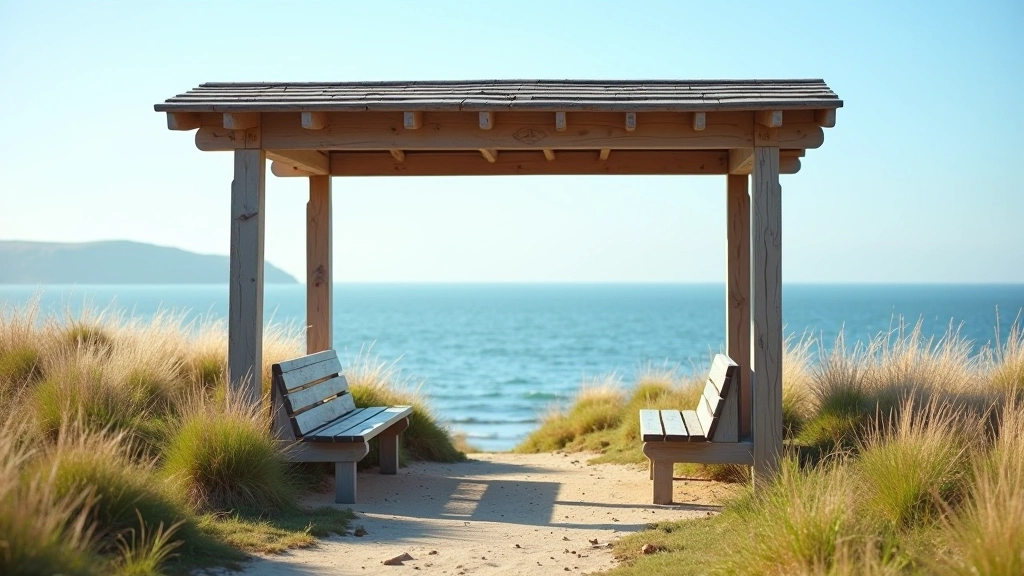
The first major stop is at the 2km mark from the Jūrkalne trailhead. You'll find a sturdy wooden shelter here, which is absolutely essential during the unpredictable Baltic weather. There's a water fountain that's been recently upgraded, and the benches are positioned to face the sea. This is the spot where most people take their first real break.
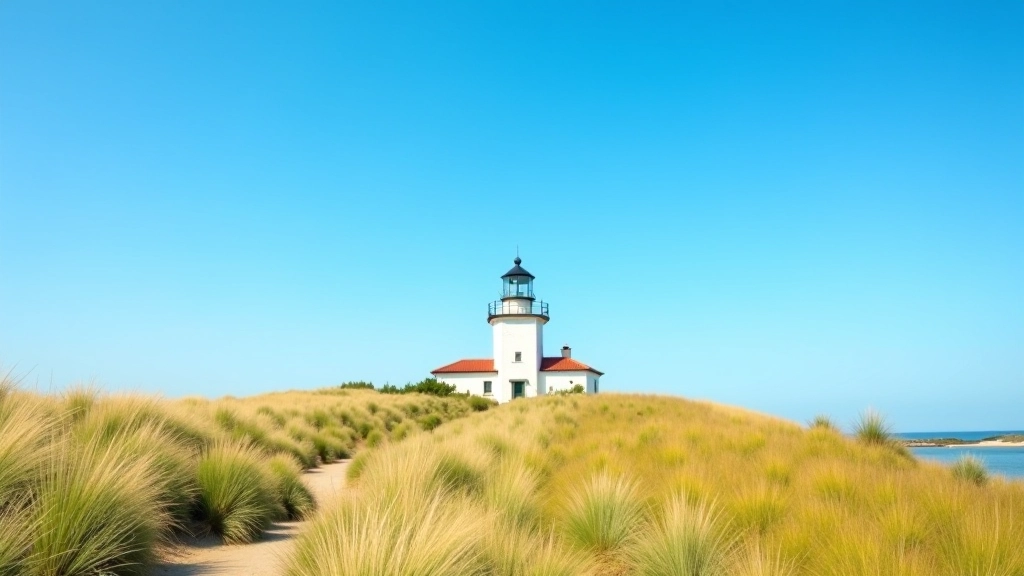
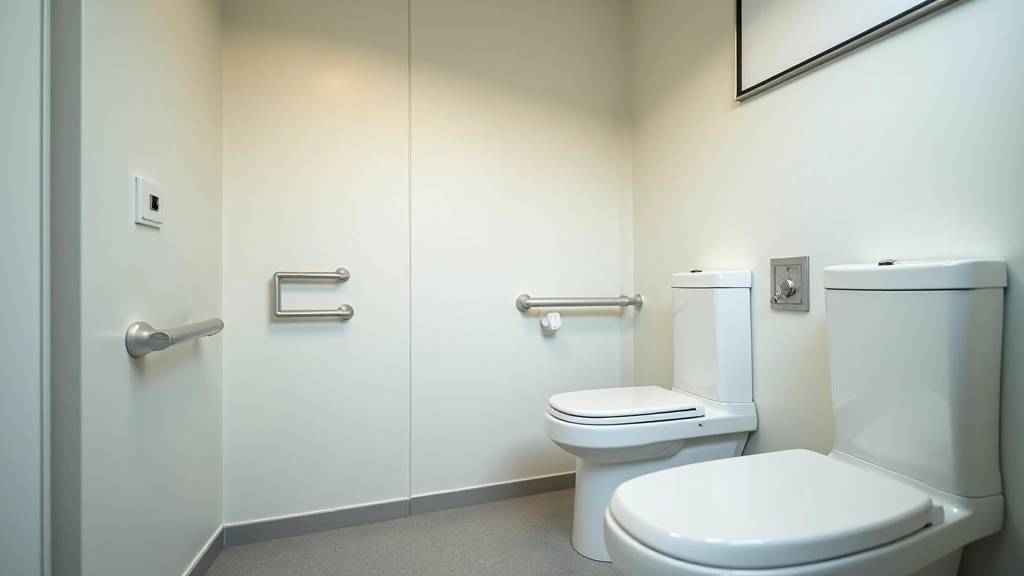
This is the question we hear most — and it's the right one to ask. The Užava lighthouse area has the most reliable facilities. There's a modern restroom facility that's been retrofitted specifically for accessibility, with grab bars, wider doors, and proper lighting. It's open daily from 8 AM to sunset, which covers most reasonable walking hours.
The Jūrkalne side is trickier. The 4km rest stop has basic facilities that are seasonal (May through September). Outside those months, you'll want to plan your route to finish near the trailhead or the Užava side. We don't recommend relying on the smaller intermediate stops for facilities.
Pro tip: Most people underestimate how often they'll need facilities. Build in extra time and don't push yourself to skip rest stops just to cover distance.
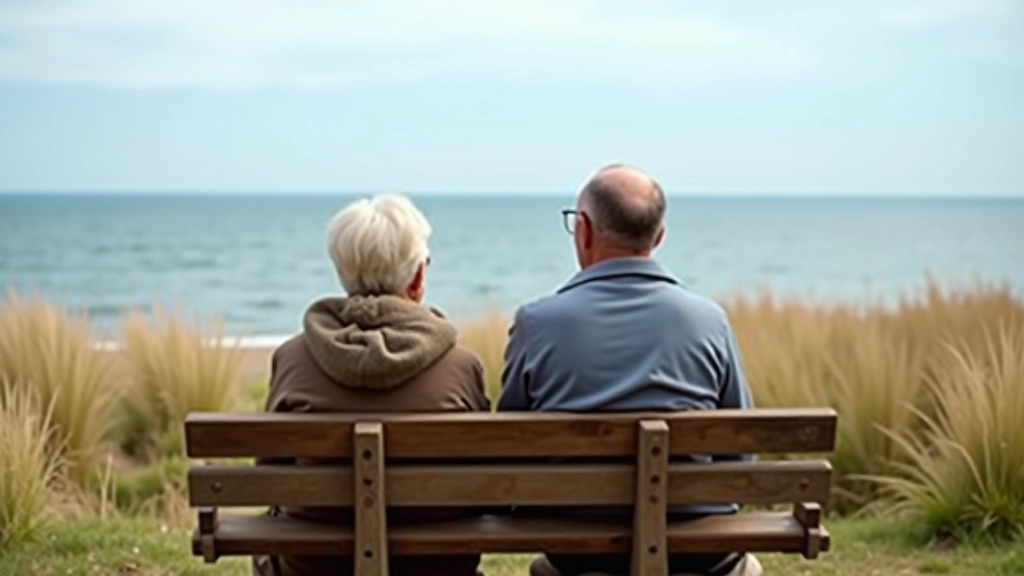
You'll find three types of seating along these trails. The permanent wooden benches are the standard — they're sturdy and usually well-maintained. The shelter benches at the main stops have backrests, which makes a real difference for anyone with lower back issues. And then there are the newer benches installed in 2024 with armrests, which we've got to say are genuinely thoughtful.
Basic wooden benches positioned along the trail. No backrest, but solid construction. About 8-10 scattered across the main path.
At the major rest stops, benches with backrests under protective shelters. Three locations: 2km, 4km, and Užava point. Weather protection is essential.
New 2024 installations with armrests and better support. Located at the Užava lighthouse area and the main Jūrkalne stop. Makes getting up easier.
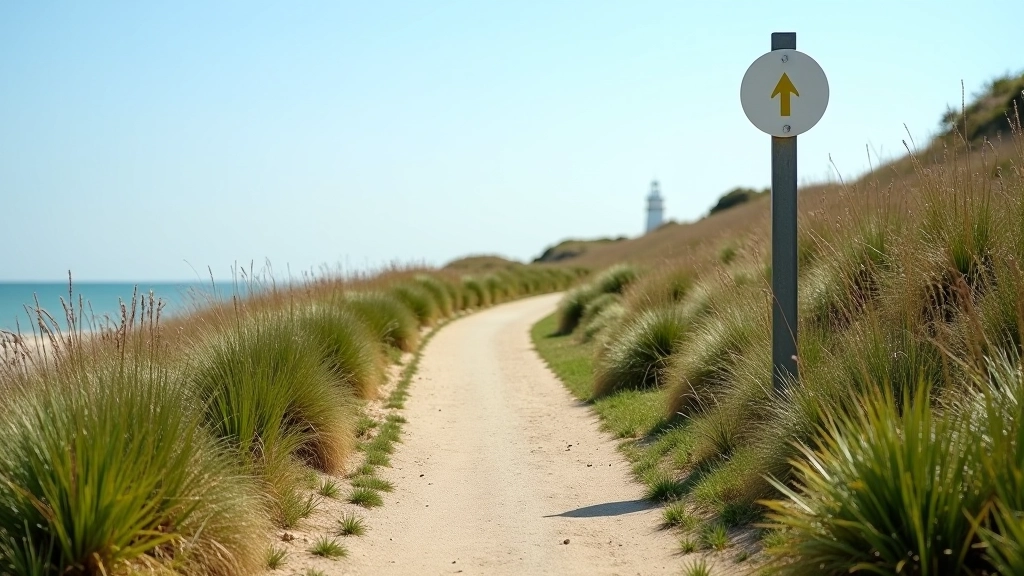
The trails themselves are fairly well-maintained, but they're not perfectly flat. The Jūrkalne bluff edge has some gentle inclines, particularly in the middle section. If you're using a mobility aid, the standard walking paths are manageable, but you might want to skip the smaller side paths that lead to cliff viewpoints.
Parking is available at both trailheads. The Jūrkalne lot has a few designated accessible spaces, though they're not always perfectly marked. The Užava lighthouse area has better parking infrastructure with clearly marked spots and a shorter walk to the actual trail entrance. If mobility is a concern, we'd recommend starting from Užava.
Don't rely on your phone for emergency contact along the Jūrkalne side — coverage drops significantly around the 3km mark. The Užava lighthouse area has better signal. It's worth carrying a whistle and letting someone know your route.
The water fountains work, but they're not everywhere. We've seen people get dehydrated trying to ration what they have. Bring at least 1.5 liters if you're doing the full route.
The coastal wind can pick up suddenly. Even if it's calm when you start, it doesn't stay that way. A light jacket that packs small is worth carrying.
You're walking next to reflective sand and sea. Sun exposure is more intense than you'd think. Reapply after rest stops if you've been sitting for a while.
Don't try to maximize distance. Plan a route where you'll hit the sheltered rest areas at natural breaking points. It's more enjoyable and safer.
This article is provided for informational and educational purposes. Conditions at rest stops and facilities can change seasonally, and we recommend verifying current accessibility features and operating hours before your visit. Trail conditions vary by weather and maintenance schedules. Always assess your own fitness level and mobility needs when planning a coastal walk. If you have specific health concerns, consult with a healthcare professional before undertaking physical activity on these trails.