
Getting There and Starting Out
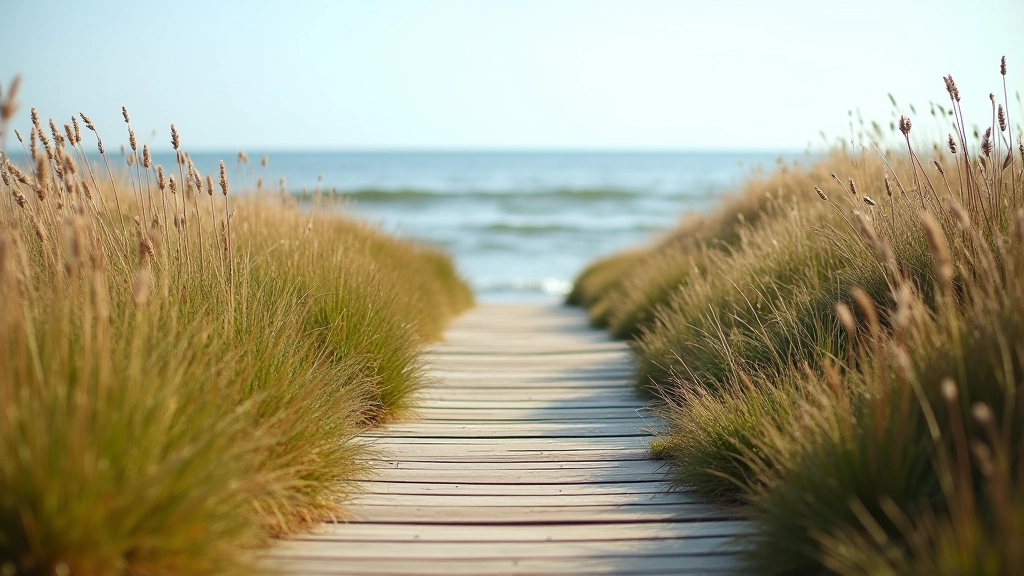
The trailhead is near the small village of Jūrkalne, about 40 kilometers north of Ventspils. You'll find a small parking area and a basic information board with a map. From there, it's straightforward — follow the red and white blazes painted on wooden posts. The path starts gently, meandering through protected grassland before opening up to the cliff edge itself.
The first section is relatively flat and takes you through mixed terrain. You'll notice the vegetation changes as you get closer to the edge — fewer trees, more sturdy grasses and low shrubs adapted to wind and salt spray. This is your clue that you're approaching the dramatic views.
The Bluff Edge Walk
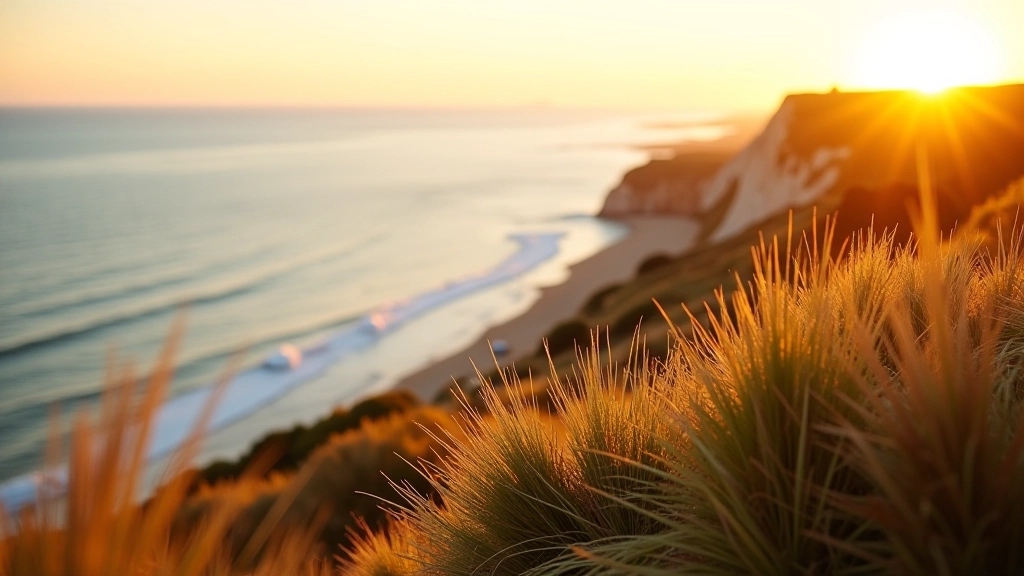
Once you reach the cliff edge proper, the landscape transforms completely. The path runs along a narrow strip between the cliff face and the sea-facing slope. It's not dangerous — the path is clearly defined and fenced in spots — but the exposure is real. You're genuinely walking on the edge of something substantial, with 40 meters of drop on one side and the vast Baltic on the horizon.
What'll strike you first is the wind. It's constant up there, and it shapes everything — the way the grasses lean, the sound around you, even how far you can see on clear days. Bring a windproof jacket. Seriously. Cotton won't cut it. The temperature can be 5-10 degrees cooler than in the villages below, and the wind chill is no joke.
Key Conditions to Know
- Best visibility: Early morning or late afternoon when the light is low and clear
- Wettest sections: The path can be muddy for 2-3 days after rain — waterproof boots essential
- Wind patterns: Strongest in spring and autumn; summer offers calmer conditions
- Flora season: June-August brings wildflowers and full vegetation cover
Rest Stops and Facilities
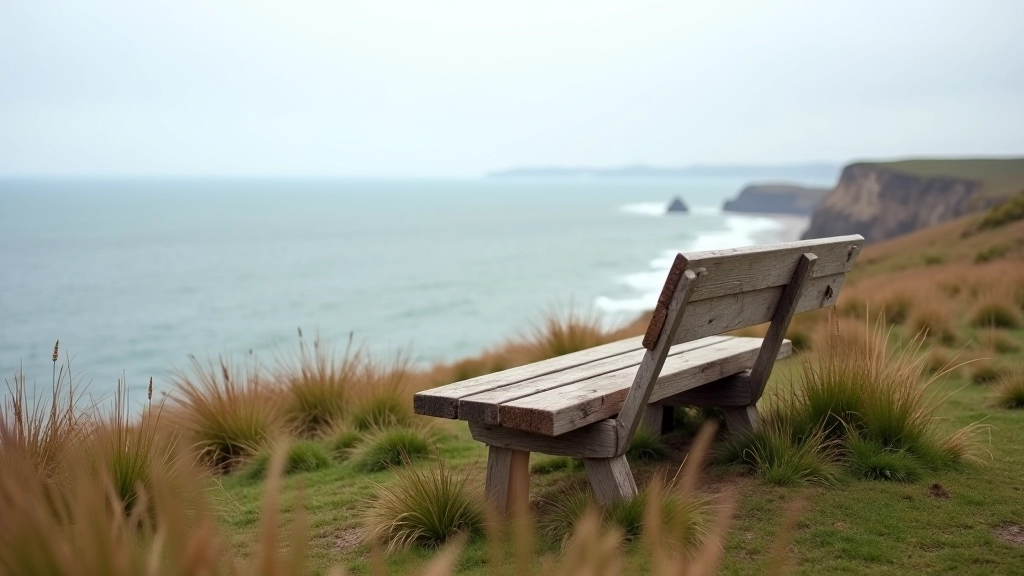
There are three designated rest areas along the bluff path, each with simple wooden benches. The first one appears around the 1-hour mark and offers a good vantage point for photos. The middle rest stop is the most sheltered, tucked into a slight depression that blocks some of the wind. The final one overlooks a small cove and gets pretty crowded on weekends.
You won't find water fountains or restrooms along the path itself. Plan accordingly. Most people bring a backpack with water, snacks, and a light picnic to enjoy at one of the rest stops. It's a peaceful way to spend time out there.
Photography and Safety Tips
The views are genuinely stunning, so you'll want to capture them. Just remember — the cliff edge is a real hazard, especially on windy days or if the ground is wet. Stay behind the fence markers, and don't venture onto unmaintained side paths that look "scenic." They often crumble. It's happened before, and it's not worth the risk.
For photography, bring a good camera or phone with a decent wide-angle lens. The light here is beautiful in the late afternoon when it hits the cliffs at an angle. If you're going in summer, consider going on an overcast day if possible — the soft light is more forgiving for photos, and you'll avoid the harsh shadows that make images look flat.
Mobile service is spotty. Don't rely on your phone's GPS alone. The paper map from the information board works fine, and you can also download offline maps before you head out.
What to Pack
Start with the basics: waterproof jacket (non-negotiable), sturdy walking boots with good grip, and a backpack with at least 2 liters of water. Add a light snack or picnic items for the rest stops. A sun hat helps even on cloudy days — the reflection off the sea can catch you off guard. Sunscreen is genuinely important up here.
Consider bringing a lightweight fleece or wool layer. The wind strips heat away faster than you'd expect. A small first-aid kit doesn't hurt — nothing serious usually happens, but blisters and minor cuts are always possible on longer hikes.
The Experience Itself
Honestly, what makes this trail memorable isn't just the views — though they're incredible. It's the feeling of being in a place that's genuinely wild while still being accessible. You're walking on a narrow path on the edge of something substantial, with the open sea in front of you and only the wind and birds for company. It's the kind of walk that makes you stop checking your phone because you're too busy taking in the moment.
Most people complete the full loop in 3-4 hours. Some take longer because they're stopping constantly to sit, photograph, or just absorb the atmosphere. There's no pressure to rush. That's part of the appeal.